
logo
Send Message
Qingdao Exceed Fine Chemicals Co.,Ltd
About Us
Your Professional & Reliable Partner.
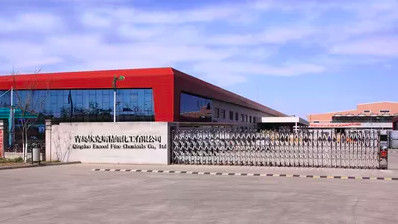
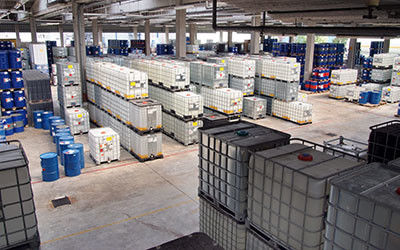
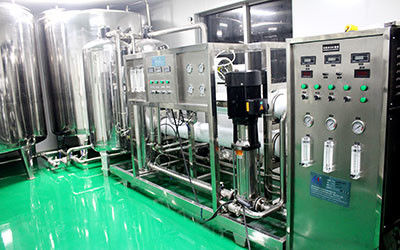
Qingdao Exceed Fine Chemicals Co., Ltd is a high-tech enterprise that integrates manufacturing and trading. We specialize in the production of polyurethane-based products.Our company is dedicated to investing in research and development of cutting-edge products, collaborating with leading Chinese universities and institutions. We have successfully developed a heat-vulcanization, environmentally friendly bonding adhesive that rivals the quality of world-renowned brands like Lord and Dow.At Exceed...
Learn More

0

Year Established

0

Million+
Employees

0

Million+
Annual Sales
China Qingdao Exceed Fine Chemicals Co.,Ltd HIGH QUALITY
Trust Seal, Credit Check, RoSH and Supplier Capability Assessment. company has strictly quality control system and professional test lab.

quality TDI MDI Polyurethane & TDI Based Polyurethane manufacturer

Find Products That Better Meet Your Requirements.
Cases & News
The Latest Hot Spots
How to remove bubbles from PU Casting Resin ?
.gtr-container { font-family: 'Arial', sans-serif; color: #333; line-height: 1.6; max-width: 800px; margin: 0 auto; padding: 20px; } .gtr-heading { font-weight: 700; color: #2a4365; margin: 25px 0 15px 0 !important; font-size: 18px !important; } .gtr-heading-large { font-size: 22px !important; font-weight: 800; color: #1a365d; border-bottom: 2px solid #e2e8f0; padding-bottom: 8px; margin: 30px 0 20px 0 !important; } .gtr-bold { font-weight: 700 !important; } .gtr-list { margin: 15px 0; padding-left: 25px; } .gtr-list-item { margin-bottom: 8px; font-size: 14px !important; } .gtr-subheading { font-weight: 600; color: #2c5282; margin: 20px 0 10px 0 !important; font-size: 16px !important; } .gtr-paragraph { margin-bottom: 15px; font-size: 14px !important; } How to remove bubbles from PU resin? What causes polyurethane bubbles? Polyurethane bubbles can be divided into physical bubbles and chemical bubbles. Physical bubbles are formed during production through mechanical processes like stirring or impact. Chemical bubbles are formed from chemical reactions, such as water reacting with isocyanate to produce carbon dioxide, or other chemical reactions. How do you get rid of polyurethane bubbles? Essentially, bubbles are created when a gas dissolved in a liquid becomes supersaturated and separates out. This often happens during high-speed stirring, where a local area of high-speed flow creates a negative pressure zone, causing the dissolved gas to rapidly come out and form bubbles. One common method to remove bubbles is vacuum degassing. By lowering the pressure, the dissolved gas is quickly drawn out, leaving the liquid in an unsaturated state. This can prevent bubbles for a period of time. However, if the vacuum-degassed material is left for several hours and then stirred again, bubbles will reappear. This is because at normal atmospheric pressure, the gas redissolves and reaches a saturated state again. Therefore, vacuum degassing only provides a temporary solution, and the process needs to be repeated after a long period. Other methods to reduce bubbles include lowering the viscosity of the material or adding defoaming agents. Eliminating bubbles from resin projects is a common challenge for crafters. Here's a summary of techniques to avoid and remove bubbles from your resin work, from simple preventative measures to more advanced methods. 1. Prevent Bubbles When Mixing and Pouring The best way to deal with bubbles is to prevent them from forming in the first place. You can do this by using the right tools and techniques. Pour slowly down the side. Instead of pouring resin directly into the center of your cup, which can pull air into the mixture, pour it slowly down the inner edge of the cup. This allows the resin to flow in smoothly. Use a non-porous mixing stick. Wooden popsicle sticks can be porous, potentially releasing tiny air bubbles into your resin. Use a non-porous alternative like a plastic or silicone stir stick or a small baking spatula. A spatula is also great for scraping the sides of the cup, ensuring everything is thoroughly mixed. Mix slowly and steadily. Mixing too fast will whip air into the resin. Take your time and mix with a slow, deliberate motion. Choose the right size cup. Using a mixing cup that's too large for the amount of resin you're using can make it harder to avoid stirring in bubbles. Use a cup that fits the amount of resin you're mixing to make the process easier. 2. Remove Bubbles After They're Mixed In Sometimes, bubbles are unavoidable. Here are several methods to get rid of them once they're in your resin. Warm the Resin Lowering the viscosity (thickness) of the resin allows bubbles to rise to the surface more easily. Warming the resin before mixing is an effective way to do this. Submerge the bottle. The easiest method is to place your resin bottle in a container of warm water for a while before you start. Be careful not to get any water inside the bottle, as this can ruin the resin. Work faster. A side effect of warming the resin is that it will speed up the reaction time, so you'll have less time to work with it before it starts to harden. Use a slower-setting resin. Choosing a resin with a longer curing time will also give bubbles more time to rise and escape on their own. Use an Ultrasonic Cleaner. An ultrasonic cleaner uses sound waves to force bubbles out of the resin. Use a Vacuum Chamber. A vacuum chamber removes air from the resin by placing it under a vacuum. Use a Pressure Pot. Pressure pots can be expensive and require careful use, but they are highly effective.

2025

08/14

DMTDA vs. MOCA: Prioritizing Safety in Polyurethane Production
DMTDA vs. MOCA: Prioritizing Safety in Polyurethane Production In the world of polyurethane manufacturing, the choice of curing agent is critical, impacting not only product performance but also worker safety and environmental responsibility. For years, MOCA (4,4′-Methylene-bis(2-chloroaniline)) has been a staple. However, growing concerns about its toxicity are leading manufacturers to seek safer alternatives like DMTDA (Dimethylthiotoluenediamine), also known as Ethacure 300. The MOCA Challenge: Understanding the Risks MOCA is recognized as a suspected human carcinogen and can pose significant health risks upon exposure. Its crystalline solid form creates a fine dust during handling, increasing the likelihood of inhalation and dermal absorption. This necessitates stringent safety protocols, extensive personal protective equipment (PPE), and specialized ventilation systems, adding complexity and cost to operations. The potential for long-term health effects on workers remains a serious concern for companies utilizing MOCA. DMTDA: A Safer, High-Performance Alternative In contrast, DMTDA offers a compelling solution. As a low-viscosity liquid at room temperature, DMTDA significantly reduces the risk of airborne exposure. This eliminates the hazardous dust associated with MOCA, simplifying handling procedures and minimizing the need for extensive engineering controls. Its lower toxicity profile makes it a safer alternative for polyurethane production, contributing to a healthier work environment. Beyond safety, DMTDA matches and often surpasses MOCA in performance. It delivers excellent mechanical properties, including high abrasion resistance and tear strength, for durable polyurethane elastomers. Its extended pot life also provides greater processing flexibility. Making the Switch for a Greener Future Choosing DMTDA over MOCA isn't just about regulatory compliance; it's about prioritizing the well-being of your workforce and embracing more sustainable manufacturing practices. By opting for DMTDA, you can achieve superior product quality while significantly enhancing safety in your polyurethane operations. Explore how this intelligent choice can benefit your production and your people.

2025

07/02